Last Updated: October 29, 2026
Quick Summary
The fastest way to kill maggots in trash is to pour boiling water directly over the larvae and food waste, wait one minute, then bag everything and seal it tight. Follow up by scrubbing the bin with hot water and dish soap, then disinfecting to remove the residue that draws flies back.
- Maggots are fly larvae that appear because adult flies found food, warmth, and moisture.
- Food-grade diatomaceous earth dries out larvae on contact; dust a thin layer after cleaning.
- Scrub the lid, handles, and rim channel, since larvae hide in seams and grooves.
- Double-bag wet food scraps and tie every trash bag closed to prevent flies.
- Call a professional when maggots return after two full cleanings or odor survives a scrub.
Table of Contents
- Why Maggots Show Up in Your Trash Can
- Immediate Methods to Kill Maggots in Trash
- How to Disinfect Trash Bins After an Infestation
- How to Keep Flies Away From Trash
- Disposing of Dead Larvae and Odor Neutralization
- When to Call Professional Trash Bin Cleaning Services
- Booking a Bin Cleaning Before the Next Heat Wave
- Frequently Asked Questions
Why Maggots Show Up in Your Trash Can
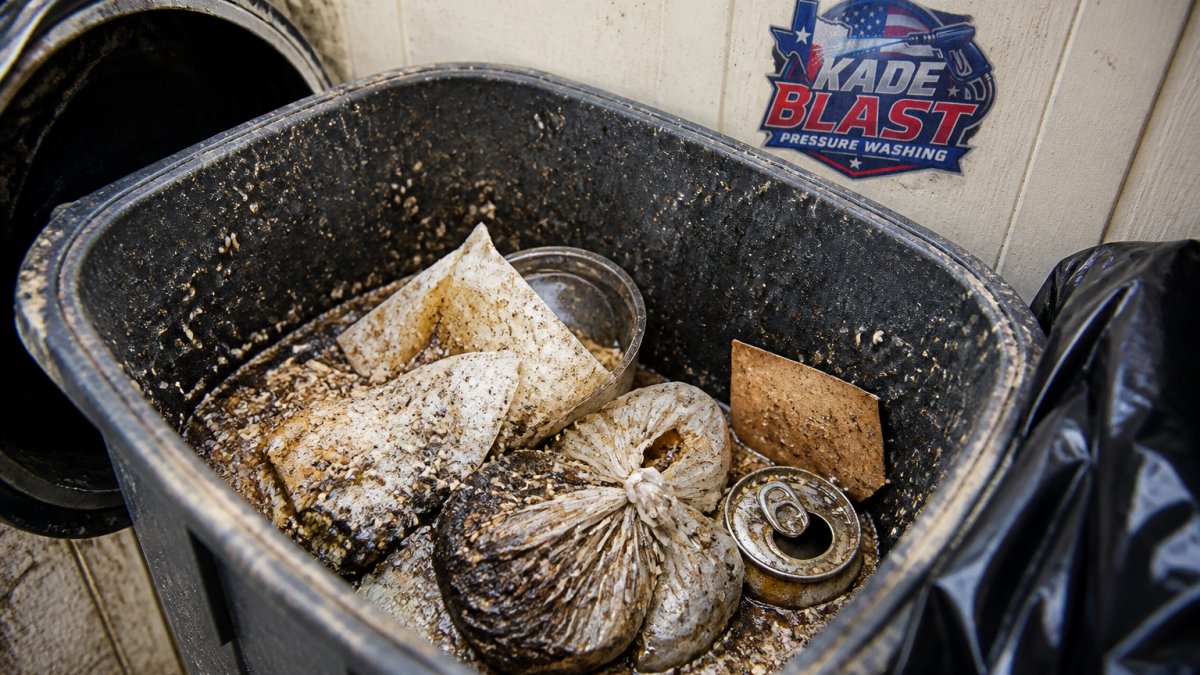
Maggots in trash are fly larvae, and they appear because adult flies found three things they need: food, warmth, and moisture. A trash can in summer heat is a perfect nursery. Flies lay eggs on decomposing organic matter, and those eggs hatch into feeding larvae within a day or two.
The fix starts with understanding the cycle. Kill the adults and you slow the next wave. Remove the food and moisture source and you break the cycle entirely.
The Fly Life Cycle in Three Stages
Flies move through egg, larva, and adult stages, and each stage needs different tactics.
- Eggs: Laid in clusters on wet food waste. Easy to miss because they are tiny.
- Larvae (maggots): Feed on decomposing organic matter, then crawl off to pupate.
- Adults: Lay more eggs within days of emerging.
Miss one stage and the infestation returns. That is why a quick spray alone rarely solves the problem.
Immediate Methods to Kill Maggots in Trash
The fastest way to kill maggots is boiling water. It works on contact, costs nothing, and leaves no chemical residue. Pour a full kettle directly over the larvae and let it sit for a minute before you bag the waste.
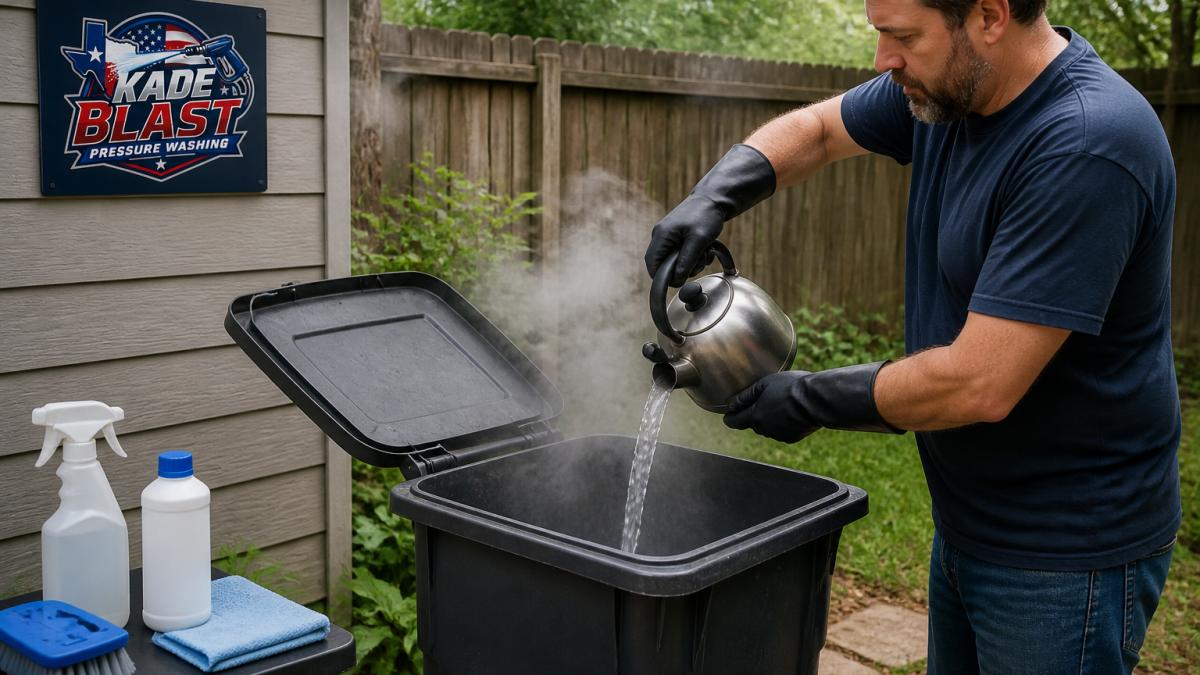
Here is the order we recommend:
- Put on gloves and move the bin away from the house.
- Pour boiling water over the maggots and the food waste.
- Wait one minute, then bag everything and seal it tight.
- Set the bag outside for pickup.
Boiling Water and Vinegar Solutions
A vinegar solution works well as a follow-up rinse. Mix equal parts white vinegar and water, then spray the inside walls and lid. Vinegar cuts the film that flies land on and helps knock back the smell. For deeper cleaning, scrub with baking soda and hot water. Baking soda lifts caked-on grime and neutralizes odor without harsh fumes.
Diatomaceous Earth and Other Non-Toxic Options
Food-grade diatomaceous earth is a fine powder that dries out larvae on contact. Dust a thin layer along the bottom and rim of the bin after cleaning. Keep it away from pets during application and reapply after rain.
Other non-toxic options many homeowners use:
- Dish soap and water: A strong squirt in warm water breaks down the surface larvae cling to.
- Lime or garden lime: Sprinkled dry, it reduces moisture and odor.
- Bleach solution: A diluted mix disinfects, but rinse well before the next bag goes in.
Matching the Method to Your Bin Material
Not every method is safe for every bin. Plastic wheelie bins are the most common, and they tolerate boiling water in short bursts but can warp if the water sits. Metal bins handle heat better but rust at the seams if water gets trapped in the rim channel, dry them thoroughly after any wet treatment. Older, cracked plastic traps residue in scratches, so a spray alone will not reach larvae hiding in those grooves; scrub with a brush first.
Eco-Friendly Disposal of Dead Larvae
Killing the maggots is only step one. The dead larvae and soaked food waste still smell, and that smell draws the next fly. Do not dump the remains in an open pile or compost bin, that just moves the problem. Instead:
- Double-bag the waste in sealed plastic bags and place it in the trash can with the lid closed.
- If your municipality allows it, bag it separately and put it out on the next pickup day rather than letting it sit.
- Do not put maggot-infested waste in a home compost pile unless you are running a hot compost that reliably reaches 130-160°F, which most backyard bins do not.
A common pattern is to pour boiling water, bag the waste, and then leave the bag beside the bin, which defeats the purpose. Seal it and get it to the curb.
How to Disinfect Trash Bins After an Infestation
Killing the maggots is only half the job. Disinfecting trash bins means removing the bacteria and residue that attract flies back. Skip this step and you will be repeating the whole process next week.
Larvae can hide in seams, handles, and the rim channel. Those spots need a brush.
- Empty the bin completely and bag all waste
- Scrub the interior with hot water and dish soap
- Scrub the lid, handles, and rim channel
- Rinse and check for leftover residue
- Spray with a disinfectant and let it air dry in the sun
Sunlight helps. UV exposure dries the bin and discourages flies from landing.
How to Keep Flies Away From Trash
To keep flies away from trash, close off their access and remove the moisture they need. Prevention comes down to three habits: a tight-fitting lid, dry waste, and disciplined bagging.
Lid Seals, Moisture Control, and Bag Discipline
A loose lid is an open door. Check the seal on your garbage bin and wheelie bin, and replace cracked lids before summer. A gasket that no longer sits flush lets flies in even when the lid looks closed. Run a finger around the rim, if you feel gaps or stiffness, replace the lid or the gasket.
Moisture control matters just as much. Flies breed in wet waste, so:
- Double-bag wet food scraps before they go in
- Let containers dry before tossing them
- Keep the bin in shade where possible
- Empty the bin on schedule, even when it is not full
Bag discipline is the third piece. Tie every trash bag closed. A loose bag splits, leaks, and feeds the next generation of larvae.
Odor Neutralization as Prevention
Maggots and foul smells go together, and the smell is what keeps drawing flies back. Treat odor control as part of prevention, not a separate chore. After each cleaning, sprinkle dry baking soda in the bottom of the bin to absorb lingering smells between pickups. A vinegar-and-water rinse on the inside walls neutralizes the film flies land on. For metal bins, which hold odor longer than plastic, follow with a deeper scrub at the seams and rim channel.
Seasonal Maintenance and When to Replace a Bin
Heat is the trigger. Once temperatures climb, flies breed faster and a clean bin turns into a nursery in days. A practical schedule:
- Spring: Inspect the lid seal and gasket, scrub the bin, and confirm the pickup schedule.
- Summer: Rinse weekly, check for moisture buildup, and keep the bin in shade.
- Fall: Deep-clean before cooler weather, when flies slow down but do not disappear.
- Winter: A good time to replace a damaged bin before the next season.
Replace a bin when the lid no longer seals, when cracks let liquid into the walls, or when odor survives a full scrub. A bin in rough shape keeps attracting pests no matter how often you clean it.
Disposing of Dead Larvae and Odor Neutralization
Dead larvae still smell, and that smell is what draws the next fly. Bag the waste, seal it, and get it to the curb on pickup day rather than letting it sit.
For odor neutralization, wash the bin with a vinegar solution, then leave it open in the sun to dry. Baking soda sprinkled dry in the bottom absorbs lingering smells between cleanings.
Think about your bin's material here. Metal bins hold odor longer than plastic, so they need a deeper scrub. Old, cracked plastic traps residue in the scratches, which is why bins in rough shape keep smelling even after a wash.
When to Call Professional Trash Bin Cleaning Services
Some infestations go deeper than a garden hose can reach. Call professional trash bin cleaning services when maggots return after two full cleanings, when odor survives a scrub, or when the bin is too heavy or awkward to empty yourself.
At Kade Blast Pressure Washing, we use commercial high-pressure blast technology and specialized sanitizing agents to clean bins, and our process is fully contained. You do not need to be home, and booking online takes under a minute.
Booking a Bin Cleaning Before the Next Heat Wave
Heat is the trigger. Once temperatures climb, flies breed faster and a clean bin turns into a nursery in days. Booking a cleaning before the first hot stretch is far easier than fighting an infestation after it starts.
Here is a quick reference for what to do and when:
| Problem | Fix | How Often |
|---|---|---|
| Live maggots | Boiling water, then bag and seal | Immediately |
| Lingering odor | Vinegar rinse, baking soda, sun dry | After each infestation |
| Flies returning | Check lid seal, dry the waste | Weekly check |
| Deep grime and bacteria | Professional high-pressure cleaning | Monthly or quarterly |
Recurring monthly plans are available if you would rather not think about it again.
Frequently Asked Questions
How long does it take for maggots to hatch in a trash can?
Fly eggs hatch into maggots in roughly 8 to 24 hours when temperatures are warm, which is why a bin can go from clean to crawling over a single weekend. The full cycle from egg to adult fly takes about a week to ten days in summer heat. That speed is why getting rid of maggots in trash means breaking the cycle early: empty and scrub the bin before larvae mature and fly off to lay again.
Does vinegar or bleach work better for killing maggots?
Vinegar kills maggots on contact and is safe to pour down a driveway drain, while bleach also kills them but can damage bin plastic over time and is harsher around pets. A practical approach is a vinegar solution for the larvae themselves, then a proper disinfectant wash for the bin. Never mix bleach with vinegar: the combination releases chlorine gas. Whichever you use, follow with scrubbing, since larvae hide in cracks and rim grooves.
Are maggots in the trash a health hazard to my family?
Maggots themselves do not bite or sting, but they signal decomposing organic matter and bacteria that can attract rodents and other household pests. Flies carry bacteria from waste to food surfaces, so a bin full of larvae near a door or garage is a real contamination risk. Wearing gloves, bagging waste tightly, and sanitizing the bin after removal reduces exposure. If the infestation keeps returning, recurring professional cleaning solves the underlying grime problem.
How often should I clean my trash bin to prevent maggots?
A rinse every week and a full scrub with disinfectant once a month keeps most bins ahead of flies during warm months. In Texas heat, weekly attention matters more, especially for bins holding food scraps. Watch for the warning signs: sticky residue, a sour smell, or flies hovering at the lid. If those show up, clean immediately rather than waiting for the schedule.
Maggots in trash are a symptom, not the root problem. The root is moisture, residue, and open access, and those come back every summer unless something breaks the cycle. Kade Blast Pressure Washing handles that cycle with commercial high-pressure blast technology, sanitizing agents that kill 99.9% of bacteria, and pet- and family-safe deodorizers, all backed by a 100% satisfaction guarantee. Get started with Kade Blast Pressure Washing and keep your bins odor-free before the next heat wave hits.
